How Much Does Electrical Rewiring Cost? Complete Guide for Property Owners
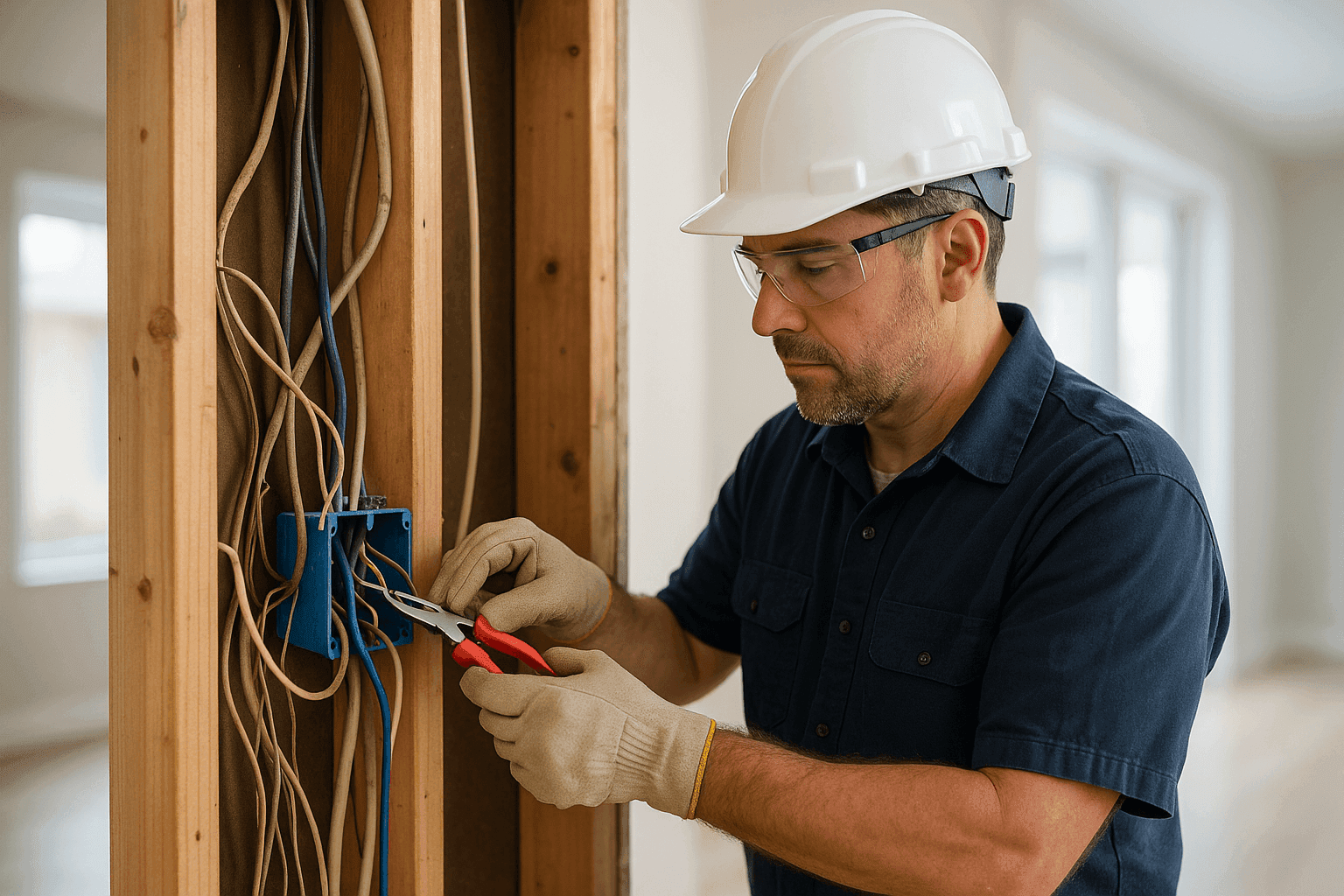
Wiring is the hidden nervous system of your property. Out of sight, out of mind—until something goes wrong. Whether you own a cozy home or manage a busy business, the thought of rewiring can feel overwhelming. What does it cost? When is it really necessary? Most importantly: how do you make sure it’s done right and safely?
At Starlite Electrical Services, we know rewiring isn’t something you tackle every day. But it’s one of the most important investments you can make in your property’s safety and value. Let’s break down the process, costs, and key questions every property owner should ask before moving forward.
When Is Rewiring Needed? ⚡
Think of old or damaged wiring like a frayed rope holding up a heavy weight. It might look okay on the outside, but the risk is real. Here are some telltale signs it might be time to call an electrician for an inspection:
- Frequent circuit breaker trips or blown fuses
- Flickering or dimming lights
- Warm or discolored outlets and switches
- Persistent burning smells (sometimes like fish or plastic)
- Two-prong outlets (no grounding) or aluminum wiring
- Visible wear: cracked, brittle, or cloth-covered wires
- Buzzing outlets or switches
- Old wiring types (knob-and-tube, aluminum, or anything installed before the 1980s)
Insurance companies often require electrical safety certificates for older homes or after a major incident. If you’re planning a renovation, adding heavy appliances, installing EV chargers, or expanding your business, those are all triggers for a wiring check—or full replacement.
According to the National Fire Protection Association (NFPA), faulty wiring is a leading cause of home fires. Don’t wait for a spark to make the call.
Factors That Influence Cost
No two rewiring jobs are the same. Here’s what shapes your project’s final price tag:
- Square footage: Larger spaces mean more wire, outlets, and labor.
- Property type: Residential homes often cost less than commercial spaces, which need heavier-duty wiring and more complex layouts.
- Existing access: If walls and ceilings are open (like during renovations), the job is easier. Finished spaces or historic buildings may require careful, time-consuming work.
- Materials: Copper is the gold standard, but more expensive. Aluminum and low-voltage systems have different requirements.
- Code requirements: Meeting the latest electrical codes is non-negotiable. Upgrades for GFCI, AFCI, or surge protection may be necessary.
- Emergency work: After-hours or urgent repairs can add to costs.
- Permits and inspections: Required by law, and costs vary by municipality. Certified electricians will handle this for you.
What to Expect During Rewiring
Wondering what life looks like while your electrician is hard at work? Here’s a peek behind the curtain:
- Timeline: Most residential rewires take 3–10 days, depending on size and complexity. Commercial projects may take longer, especially if phased to minimize business disruption.
- Disruptions: Power will be off in areas being worked on. Expect some drywall cutting, dust, and noise. Professionals clean up after themselves, but plan ahead—protect valuables and sensitive electronics.
- Safety measures: Licensed electricians follow strict procedures. Expect safety signage, insulated tools, and daily worksite checks.
- Who’s involved: Electricians coordinate with property owners, sometimes with general contractors, building managers, or local inspectors.
If you’re living or working onsite, ask about scheduling options to minimize downtime. Communication is key!
Cost Ranges and Budget Tips 💡
Now, the big question: what does rewiring cost? National averages can help you plan, but remember every project is unique.
- Residential homes:
- Small homes (1,000–1,500 sq ft): $5,000–$9,000
- Larger homes (2,500+ sq ft): $10,000–$20,000+
- Commercial properties:
- Can range from $15,000 for a small office to $50,000+ for large or complex buildings.
Budget Tips:
- Bundle projects: If you’re planning upgrades (new lighting, EV chargers, smart home systems), do them with the rewire to save on labor.
- Get multiple, written quotes: Make sure the scope is clear—number of outlets, panels, code upgrades, and finish details.
- Ask about Certificates near you: Ensure your electrician is certified and the work passes inspection.
- Don’t cut corners: Saving a little now can cost a lot later. Only use licensed, insured professionals.
According to the Electrical Safety Foundation International (ESFI), proper installation and inspection are critical. Always verify credentials.
Questions to Ask Before Hiring
- Are you licensed and insured for this type of work?
- Will you handle permits and inspections?
- What code standards will you follow?
- Can you provide a detailed, written estimate?
- How will you minimize disruption to my home or business?
- Do you offer maintenance or follow-up safety checks?
Trust and Transparency
Rewiring isn’t a place to gamble. At Starlite Electrical Services, our electricians are fully licensed, insured, and up-to-date on the latest safety codes. We provide transparent, written estimates and walk you through every step—no surprises, no shortcuts.
Final Thoughts
Electrical rewiring is a big decision—but it’s an investment in your property’s safety, value, and peace of mind. Understanding the process and costs arms you with the knowledge to ask the right questions and set a realistic budget.
Ready to take the next step, or just need advice?
Call Starlite Electrical Services now — or reach us anytime at 888-864-7290 .