Electrical Safety Inspections: Why Every Homeowner Needs One
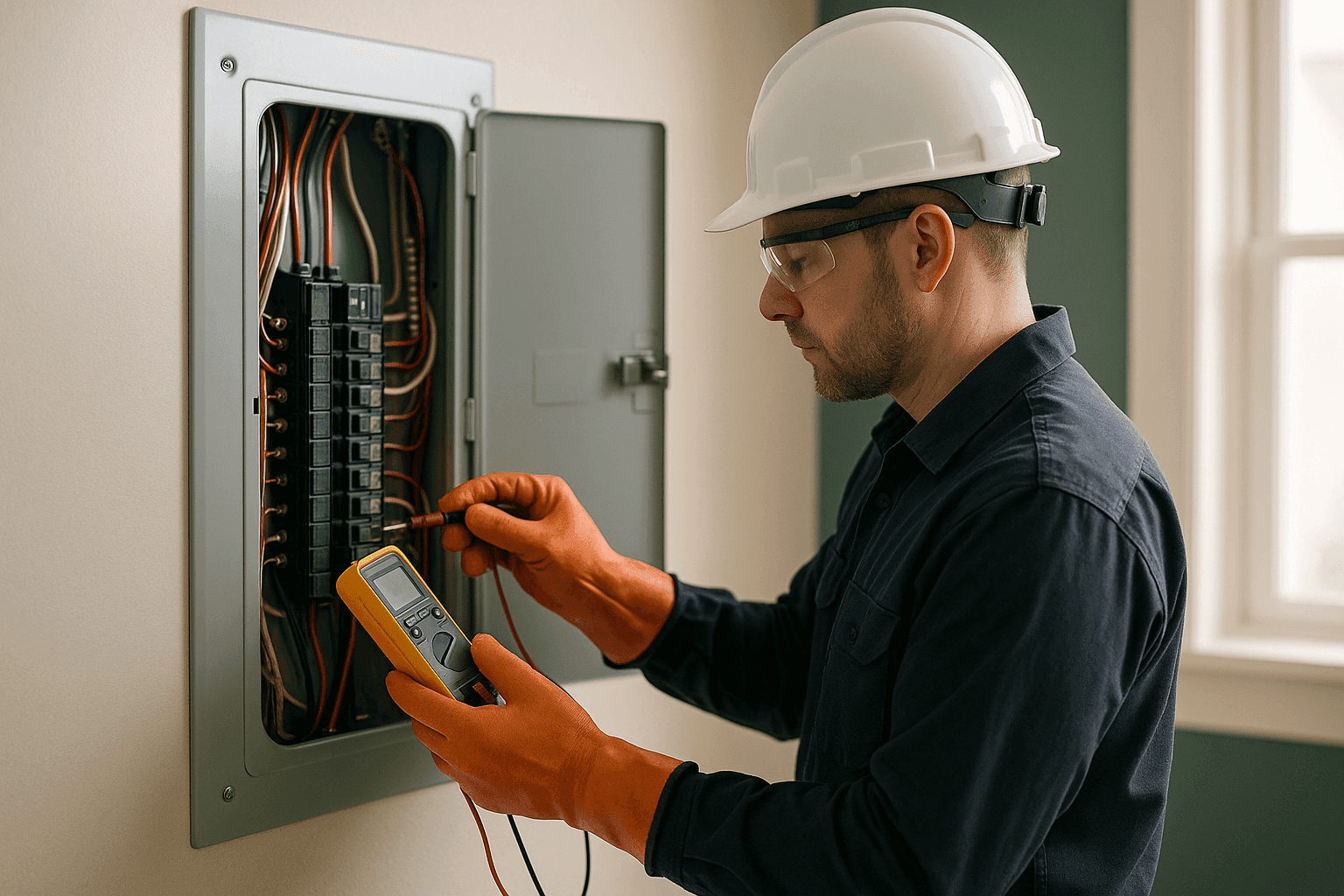
Electricity is the silent workhorse of every home and workplace. You flip a switch, and the lights come on. Plug in your phone, and it charges while you sleep. But behind that everyday convenience hides a network of wires, panels, and circuits that can fail—sometimes with serious consequences.
At Starlite Electrical Services, we've seen firsthand how overlooked issues can spark bigger problems. For homeowners and business owners alike, an electrical safety inspection is the first step to staying safe and compliant.
What Is an Electrical Safety Inspection? ⚡
An electrical safety inspection is a thorough checkup for your property’s wiring, outlets, panels, and safety systems. It’s like a doctor’s visit for the heart of your home or business—the electrical system that powers everything.
Residential vs. Commercial Inspections
- Residential: Focuses on bedrooms, kitchens, garages, and outdoor areas. Looks for childproofing, overloaded outlets, outdated wiring, and proper grounding.
- Commercial: Involves larger panels, three-phase wiring, machine circuits, emergency lighting, and high-voltage systems.
Both types cover the essentials. Inspectors check everything from outlets and switches to the integrity of panels and breakers. They examine visible wiring, ground connections, smoke and carbon monoxide detectors, and surge protection. Why? Because even the smallest issue—a loose wire, a worn outlet—can be the domino that tips toward fire or equipment failure.
Common Reasons for Inspections 🕵️
Why schedule an electrical safety inspection? Here are the most common scenarios:
- Routine Safety Checks: Like your annual physical, regular inspections catch issues before they escalate.
- Buying or Selling Property: Inspections are vital for home sales and required for Certificates near you—no surprises at closing.
- After Major Renovations: New wiring or appliances? Make sure everything’s up to code.
- Installing High-Power Devices: Adding a pool, spa, EV charger, or generator? Inspections ensure new loads don’t overload your system.
- Following Storms or Floods: Severe weather can damage wiring hidden in walls or crawlspaces.
- Insurance Requirements: Many policies require updated safety certificates after certain changes or at renewal.
What Inspectors Look For 👀
A skilled electrician from Starlite Electrical Services performs a methodical review. Here’s what’s on the checklist:
- Outlets & Switches: Are they secure, properly grounded, and free of signs of overheating?
- Wiring & Circuits: Look for frayed insulation, exposed conductors, or outdated wiring types (like knob-and-tube).
- Panels & Breakers: Check for corrosion, correct labeling, and breaker function.
- Grounding Systems: Ensure proper grounding and bonding for all circuits.
- Smoke & Carbon Monoxide Detectors: Test for function and correct placement.
- Surge Protection: Assess need and operation, especially with sensitive electronics.
- Visible Hazards: Identify overloaded circuits, extension cord misuse, or water near outlets.
- Specialty Equipment: Examine wiring for generators, EV chargers, pool systems, and automation devices.
How Inspections Prevent Problems 🔒
Think of electrical inspections as your property’s early warning system. Here’s how they keep you safe:
- Fire Prevention: Faulty wiring is a leading cause of residential and commercial fires, according to the National Fire Protection Association (NFPA).
- Code Compliance: Inspections ensure your system meets local and national codes, such as the National Electrical Code (NEC).
- Peace of Mind: Knowing your electrical system is healthy lets you focus on what matters most—your family, your business, your routine.
- Insurance & Liability: Updated inspection certificates can lower premiums and help with claims if you ever need them.
Frequently Asked Questions
How often should I schedule an inspection?
For most homes, every 3–5 years is a good rule of thumb—or whenever you notice something odd (flickering lights, warm outlets, tripped breakers). Commercial properties may need annual checks.
What are the most common problems found?
Outdated panels, improper grounding, worn wiring, and missing detectors top the list. Overloaded circuits and DIY fixes gone wrong are also frequent culprits.
Can I do my own inspection?
Some things, like checking for loose outlets or testing detectors, are fine for homeowners. But a full inspection requires specialized tools, knowledge of codes, and a licensed electrician. Electricity is not forgiving—errors can be fatal.
Will I get documents after an inspection?
Yes. Starlite Electrical Services provides written reports and Certificates near you for insurance or building officials if needed.
Quick Safety Checklist 📝
- Check all smoke and carbon monoxide detectors monthly.
- Never ignore buzzing outlets or warm switch plates.
- Stop using extension cords as permanent solutions.
- Know where your main breaker is—and how to shut it off.
- After a storm or flood, have wiring checked before using appliances.
DIY vs. Call a Pro
Some basic maintenance is safe. But most of the system stays hidden behind walls, floors, and ceilings. A licensed electrician has the experience and equipment to spot hidden risks and test safely. The National Electrical Code (NEC) and local bylaws require licensed professionals for most repairs and inspections. Never gamble with safety.
What Pros Do On Arrival
When Starlite Electrical Services arrives for an inspection, here’s what you can expect:
- Review of your electrical history and recent changes.
- Visual check of panels, wiring, switches, and outlets.
- Testing of ground fault (GFCI) and arc fault (AFCI) protection.
- Inspection of surge protection and circuit labeling.
- Function test of smoke/carbon detectors and emergency systems.
- Clear, written report with any issues and recommendations for next steps.
Prevention & Maintenance 🛠️
Prevention isn’t just about avoiding disaster—it’s about making your home or business more efficient and comfortable. Schedule inspections regularly, especially after major changes. Keep records of inspections, certificates, and repairs. Make upgrades as needed—outdated panels, ungrounded outlets, and old wiring should be replaced before something goes wrong.
Costs & Time Factors
The cost and time for an inspection depend on property size, system complexity, and how much is accessible. Most residential inspections take a few hours. Businesses or large homes may take longer. Remember: cutting corners can be costly in the long run.
When It’s an Emergency 🚨
If you notice burning smells, sparking outlets, repeated breaker trips, or sudden loss of power, call a licensed electrician immediately. Don’t wait. Electrical emergencies can escalate in seconds.
Local and Seasonal Considerations
In colder months, space heaters and holiday lights add stress to circuits. Summer storms or high humidity can damage outdoor wiring and pool equipment. After any major weather event, have your system evaluated—especially if your area is prone to flooding or lightning.
Take Action Today
Electrical safety inspections aren’t “nice to have”—they’re essential. For families, business owners, and anyone who relies on safe, reliable power, scheduling a checkup could be the decision that prevents a disaster.
Call Starlite Electrical Services now — or reach us anytime at 888-864-7290 .