How to Troubleshoot Common Electrical Problems in Your Home or Business
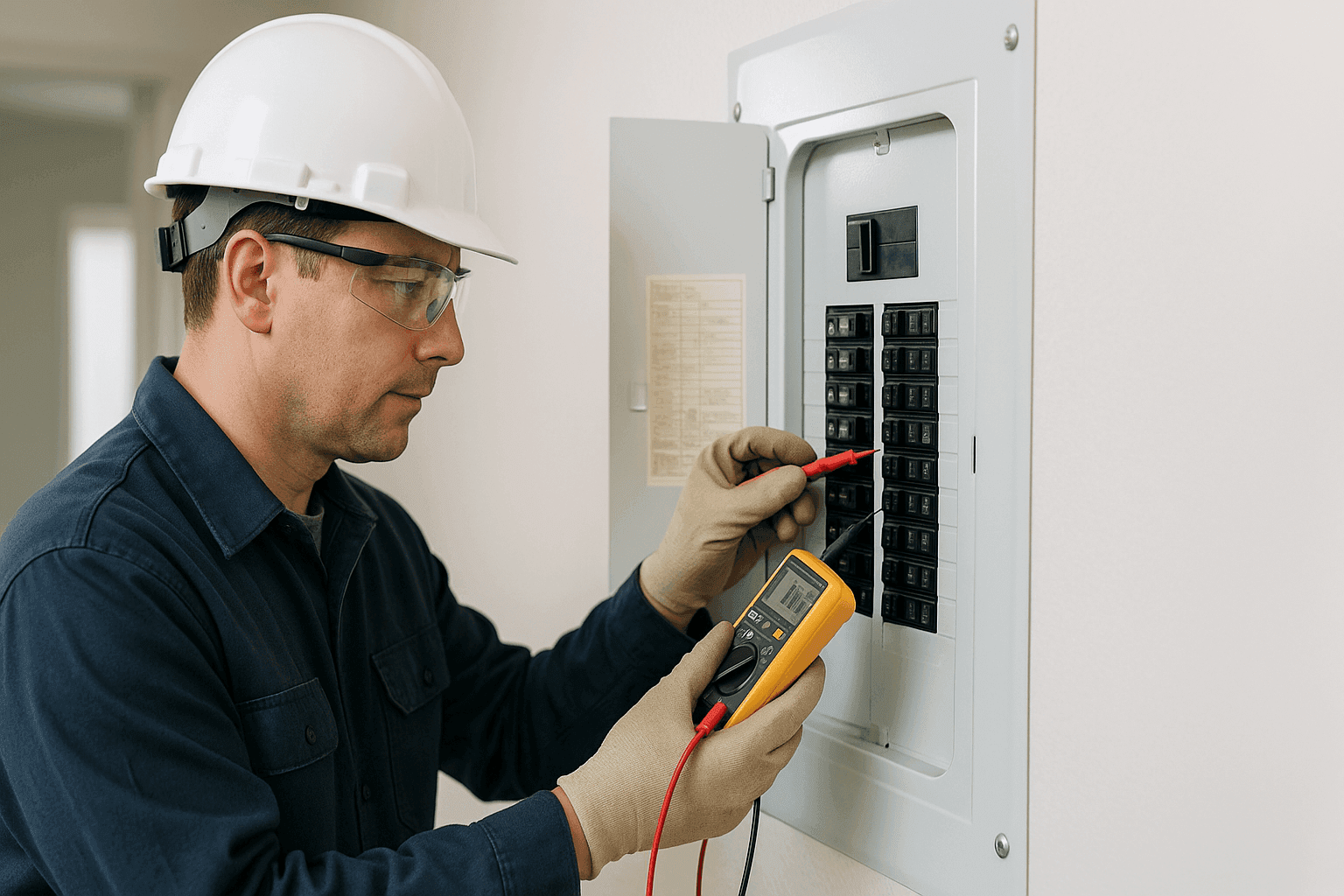
Electricity is something most of us take for granted—until it suddenly isn’t working the way it should. Whether you’re at home or managing a business, electrical problems can disrupt your day and, more importantly, raise genuine safety concerns.
At Starlite Electrical Services, we know how stressful flickering lights or a dead outlet can be. We’re here to help you understand what’s going on, what you can safely check yourself, and when to bring in a qualified electrician. Safety is always priority number one.
Identifying Common Electrical Problems ⚡
Electrical issues come in all shapes and sizes. Some are just an annoyance; others are real red flags. Here are the most common problems people notice:
- Flickering Lights: Like a haunted house? Not quite. Loose bulbs, bad wiring, or overloaded circuits might be to blame.
- Dead Outlets: Plug in a lamp—nothing. Not all outlets are created equal, and several things, from tripped GFCIs to wiring faults, can cause this.
- Tripping Breakers: If your power keeps cutting out, your system is protecting you from overload—or something more serious.
- Buzzing or Crackling Sounds: Electricity should be silent. If you hear buzzing, something’s wrong—maybe a loose connection or failing component.
- Appliance Issues: Frequent power surges, flickering screens, or devices that suddenly stop working can all point to wiring or circuit problems.
These issues are more than just frustrating—they’re signals that something in your electrical system needs attention.
Step-by-Step Troubleshooting Guide
If you’re comfortable and it’s safe, you can check a few things yourself before calling in an electrician. Think of it like checking the oil before calling a mechanic.
1. Look, Listen, and Smell
- Visual Check: Scan for scorch marks, melted outlets, or discolored switches. Are any lights dim or flickering?
- Listen: A healthy electrical system is quiet. If you hear buzzing, sizzling, or popping, take note.
- Smell: Burning odors or the scent of melting plastic are urgent warnings. Unplug devices and turn off breakers if you notice these.
2. Reset and Unplug
- Reset Breakers: Go to your electrical panel and look for breakers set between ON and OFF. Firmly push them to OFF, then back to ON.
- GFCI Outlets: Kitchens, bathrooms, garages, and outdoor spaces often use GFCI outlets. If you see a “Reset” button, press it.
- Unplug Devices: A single faulty appliance can knock out a circuit. Try unplugging everything, then testing outlets one at a time.
3. Test Safely
- Try a Different Device: If an outlet seems dead, test it with another device you know works.
- Check Light Bulbs: Sometimes it’s just a burnt-out bulb (really!).
- Don’t Force Anything: If a switch or plug feels loose, don’t try to fix it yourself.
Quick Safety Checklist ✅
Before you do anything, pause and check:
- Are your hands dry?
- Are you standing on a dry surface (not a wet floor)?
- Are you using insulated tools—if any?
- Did you tell others in the building you’re working on the electrical system?
- Have you turned off power at the panel before touching anything more than a bulb or plug?
Never open your breaker panel or work on live wires. Electrical injuries are serious and can be fatal.
DIY or Call a Pro?
When is it safe to try a fix, and when should you step back? Here’s a rule of thumb:
- Safe DIY: Replacing bulbs, resetting breakers, pressing GFCI reset buttons, unplugging appliances.
- Call an Electrician: Anything involving wiring, panels, breakers, burning smells, repeated breaker trips, or if you’re unsure.
Remember: Electrical panels are not DIY territory. They’re like the heart of your system—best left to those who know their way around.
What Pros Do On Arrival
When you call Starlite Electrical Services, here’s what you can expect:
- Thorough Inspection: We’ll visually and electrically test your system, outlets, and appliances.
- Advanced Tools: Pros use voltage testers, thermal cameras, and circuit tracers to pinpoint issues without guesswork.
- Safety First: We’ll check for code compliance, grounding, and any hazards—protecting your property and your family or employees.
- Clear Communication: You’ll get straightforward explanations. No jargon, no mysteries.
We follow the National Electrical Code (NEC) and local regulations, so your repairs or upgrades are always safe and up to standard.
Prevention & Maintenance
A stitch in time saves nine—or in this case, a check-up can save a blackout. Here’s how you can keep things running smoothly:
- Schedule Regular Inspections: Especially in older homes or busy commercial spaces.
- Keep Panels Accessible: Don’t block panels with storage or furniture.
- Test GFCI Outlets Monthly: Press “Test,” then “Reset.”
- Check for Loose Plugs and Outlets: If a plug won’t stay in place, it’s time for repair.
- Upgrade Old Wiring: Aluminum or knob-and-tube wiring needs special attention.
Our team offers electrical safety inspections and Certificates near you to help you stay proactive.
Costs & Time Factors
Electrical work varies. Here are some general guidelines:
- Simple Fixes: Resetting breakers or replacing outlets often takes less than an hour.
- Complex Repairs: Diagnosing wiring or panel issues can take several hours, especially in larger properties.
- Emergency Calls: 24-hour service is available, but after-hours visits may take longer depending on your location and the severity of the problem.
Always ask for an estimate and a time frame before work begins. Safety and quality take priority over speed.
When It’s an Emergency 🚨
Some situations demand immediate attention:
- Burning Smell or Smoke: Turn off power at the main panel and call for help.
- Sparking Outlets or Switches: Do not use the outlet. Call an electrician right away.
- Repeated Breaker Trips: This could mean a major fault or fire risk.
- Water and Electricity: If flooding or leaks reach your wiring or outlets, stay away and call for professional assistance.
Never risk your safety to save a few minutes or dollars. Electricity doesn’t forgive mistakes.
FAQ
Why do my lights flicker when I use the microwave?
This can mean your circuit is overloaded or improperly wired. It’s common in older homes, but should be addressed by a licensed electrician to avoid long-term damage.
What should I do if an outlet stops working in one room only?
Check for a tripped breaker or GFCI outlet first. If that doesn’t fix it, stop there—faulty wiring or a loose connection may need professional attention.
How often should I have my electrical system inspected?
The Electrical Safety Foundation International (ESFI) recommends inspections every 3–5 years for homes, and annually for commercial buildings or any property with high electrical demands.
Can I install a new outlet or switch myself?
Replacing a cover is safe, but wiring a new outlet or switch is best left to a professional electrician. Mistakes can cause fire or shock hazards and may void insurance or violate code.
Local & Seasonal Considerations
Storms, heatwaves, and cold snaps all put extra strain on electrical systems. In our area, summer can bring surges from air conditioning use, while winter storms might cause outages or flooding. Always check your backup generator and surge protection before the season starts.
If you’re upgrading your property or adding EV chargers, pool equipment, or home automation, schedule a safety inspection to ensure your system can handle the load.
Electrical issues don’t have to be a mystery—or a danger. Recognizing the signs, knowing what you can safely check, and calling in a certified electrician when needed keeps your home or business safe and running smoothly.
Call Starlite Electrical Services now — or reach us anytime at 888-864-7290 .